
The NORFACE consortium (UK, NL, AT) investigates if data-driven campaigns using online microtargeting techniques are a threat to democracy from the perspective of the sender, the legislator, the citizens, and the voter perspective. The consortium focuses both the intended and unintended consequences of data-driven targeting. In light of ongoing political and societal turmoil, investigating how citizens may be persuaded in a turbulent age and in a changing media landscape has never been more important. The studies within the project will focus on micro (consequences for citizens), meso (consequences for political elites), and macro-level effects (consequences for democracy).
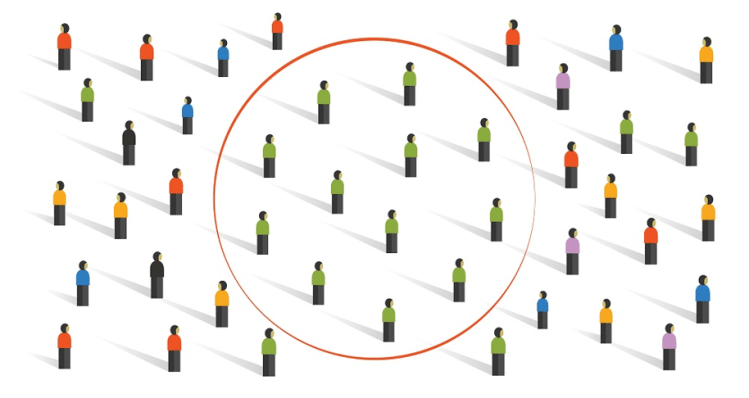
The project extends and empirically tests a theoretical framework of data-driven campaigning while using a mixture of research methods and a comparative perspective. The project will offer a deeper understanding of online data-driven targeting techniques during elections in the Netherlands, Germany, Austria, and the United Kingdom. Sophie Lecheler (University of Vienna), Kate Dommett (University of Sheffield) and Rachel Gibson (University of Manchester) are Principal Investigators. Sanne Kruikemeier fulfills the role of project leader. For more information on the project, check out the project website.
Publications
- Matthes, J., Hirsch, M., Stubenvoll, M., Binder, A., Kruikemeier, S., Lecheler, S., & Otto, L. (2022). Understanding the democratic role of perceived online political micro-targeting: longitudinal effects on trust in democracy and political interest. Journal of Information Technology & Politics, 19(4), 435-448. Available here.
- Beraldo, D., Milan, S., De Vos, J., Agosti, C., Nadalic Sotic, B., Vliegenthart, R., Kruikemeier, S., Otto, L. P., Vermeer, S. A. M., Chu, X. &, Votta, F. (2021). Political advertising exposed: tracking Facebook ads in the 2021 Dutch elections. Internet Policy Review, available here.
 Data-Driven Democracy Lab