
DDD Lab is an interdisciplinary research initiative focused on understanding the impact of digital and online communication on society and democracy
Board
Sanne Kruikemeier
Director
Sanne Kruikemeier is Professor in Digital Media and Society at the Strategic Communication Group of Wageningen University & Research (WUR). Her research focuses on the consequences and implications of online communication for individuals and society. She leads large-scale international projects on data-driven campaigning (supported by an ERC starting grant and an international consortium funded by a NORFACE grant). She is also a member of the Sociaal-Wetenschappelijke Raad (SWR) of the KNAW (Royal Netherlands Academy of Arts and Sciences).
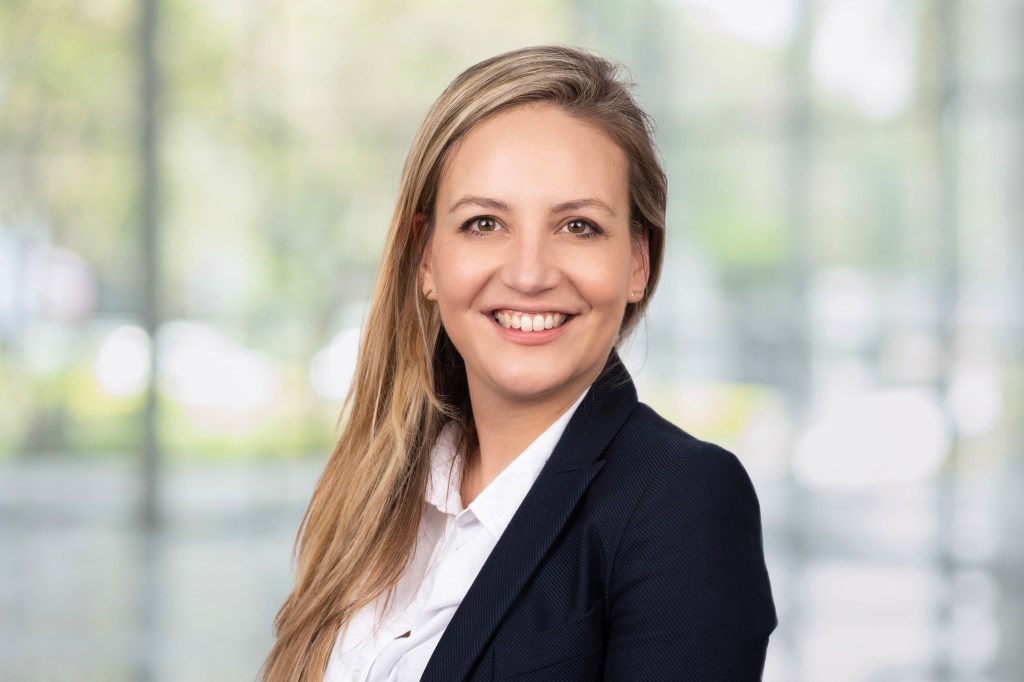

Rens Vliegenthart
Co-director
Rens Vliegenthart is full professor and chair holder in Strategic Communication at Wageningen University & Research. His research focuses on the analysis of (social) media content and effects, both on citizens (e.g. processes of polarization) and public opinion, as well as on politicians and political decision making. Rens specializes in (automated) content analysis and time series analysis. His research is published in a wide range of journals in communication science, political science, and sociology, and is funded by grants from the Dutch science foundation (e.g. VENI, VIDI, VICI, NWA).
Sophie Lecheler
International board member
Sophie Lecheler is Professor of Political Communication at the Department of Communication at the University of Vienna. She previously worked at the Amsterdam School of Communication Research (ASCoR) at the University of Amsterdam, and the Department of Government at the London School of Economics and Political Science (LSE). Her work has been published in a wide range of international journals, such as Communication Research, Journal of Communication, New Media & Society, Journalism Studies, Journalism & Mass Communication Quarterly, and the International Journal of Press/Politics.

Members
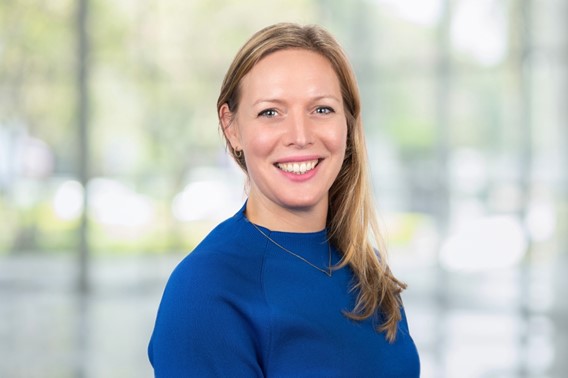
Sophie Boerman
Sophie Boerman is Associate Professor of Persuasive Communication at Wageningen University & Research. Her research addresses how people are influenced by (digital) communication, and how persuasive communication can empower people to make healthy and sustainable decisions. She is a board member of the European Advertising Academy (EAA), the Persuasive Communication division of the Netherlands – Flanders Communication Association (NeFCa) and Stichting Wetenschappelijk Onderzoek Commerciële Communicatie (SWOCC).
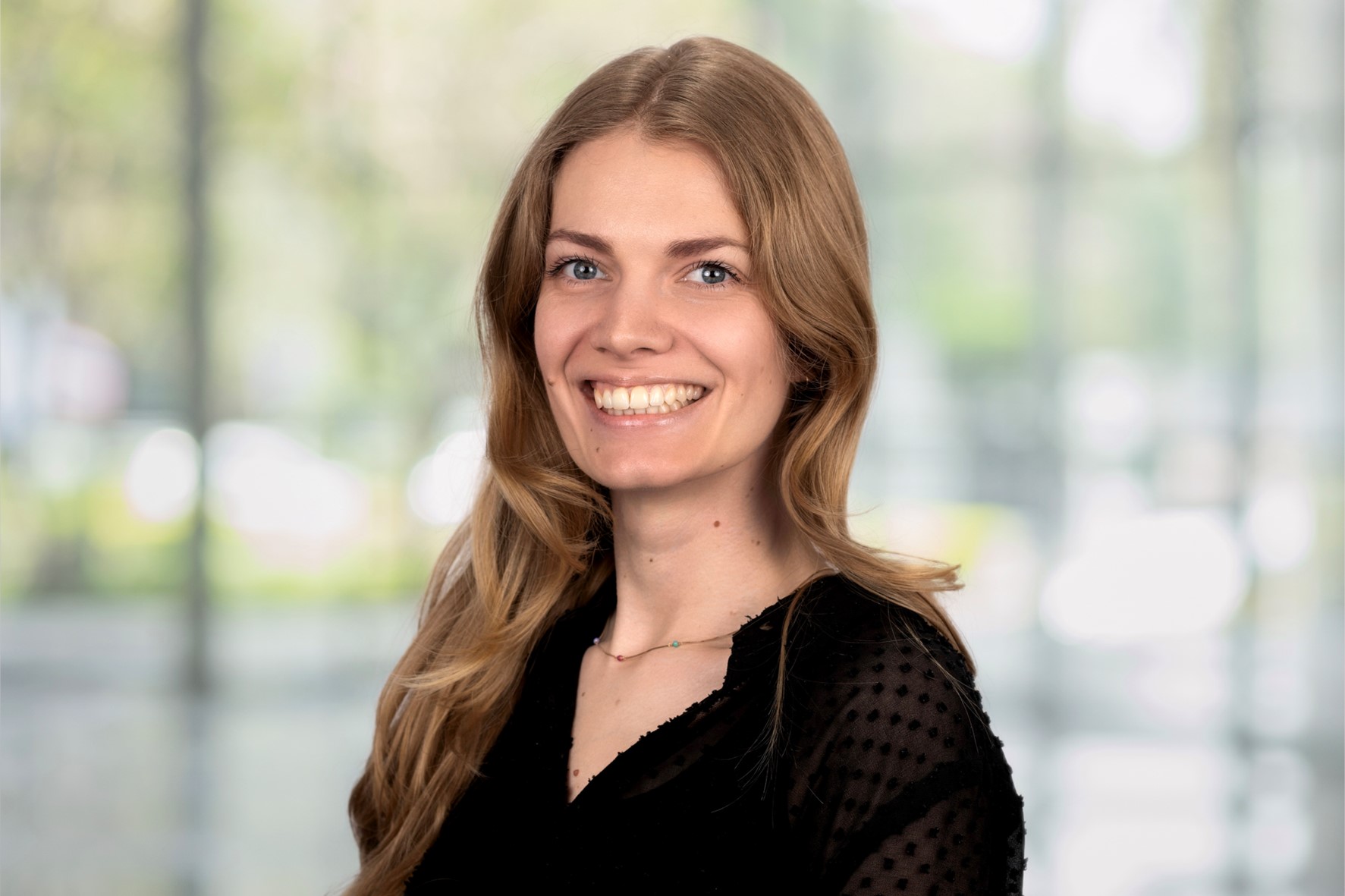
Susan Vermeer
Susan Vermeer is Assistant Professor at the Strategic Communication group at Wageningen University & Research. In 2021, she defended her dissertation (ASCoR, UvA), in which she investigated news consumption in the digital society. Her research focuses on understanding how citizens, especially adolescents, use digital media to consume political information and how this impacts our democracy.
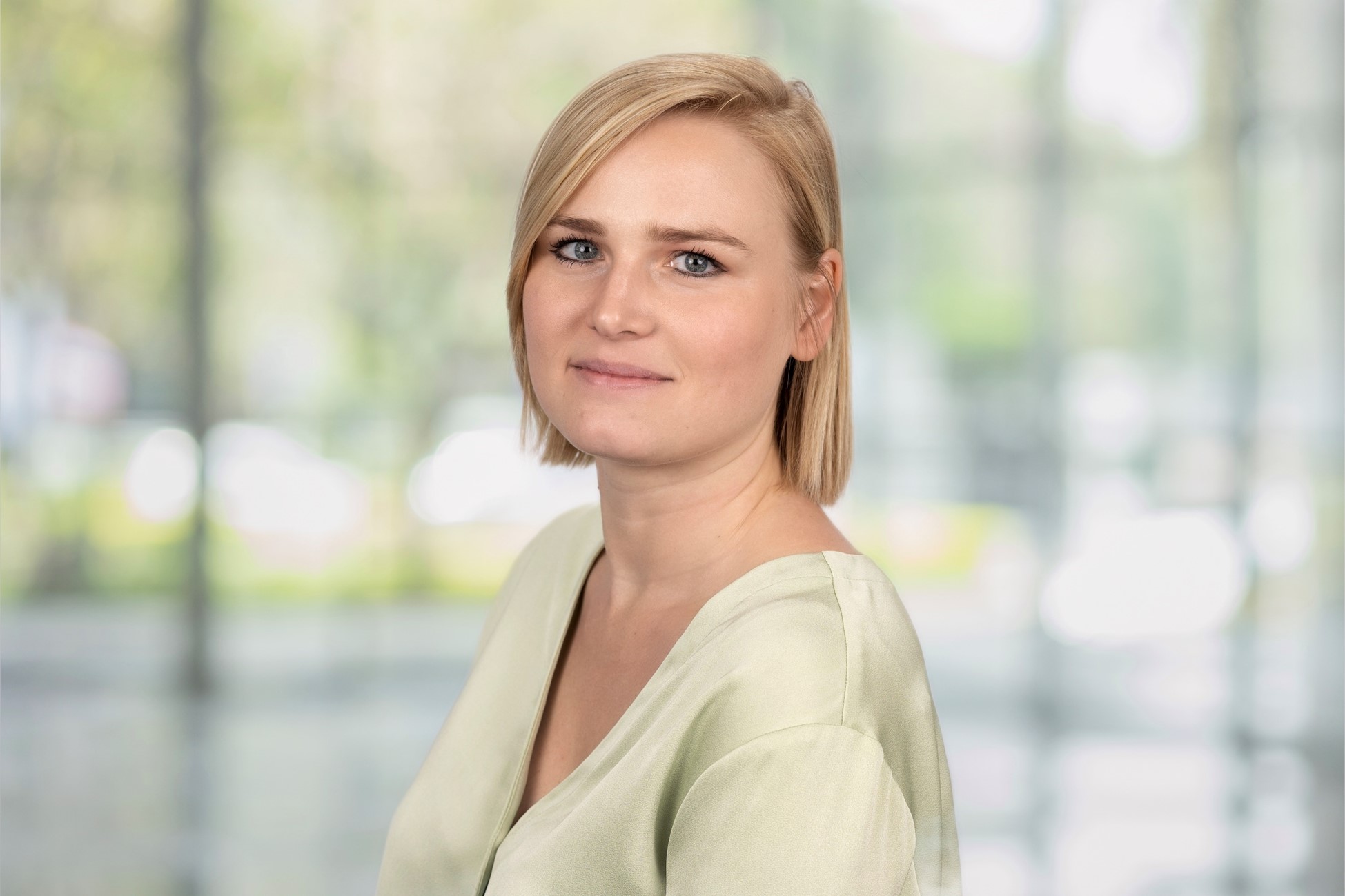
Annelien van Remoortere
Annelien Van Remoortere is Assistant Professor at Wageningen University & Research. She wrote her dissertation about the influence of mass media on the popularity and success of political elites. In her research, she is mainly interested in how online media impacts political elites and citizens with a particular interest in data-driven campaigning. She is interested in different methodological approaches and combines computational methods (e.g., automated content analysis) with experiments, surveys and interviews.
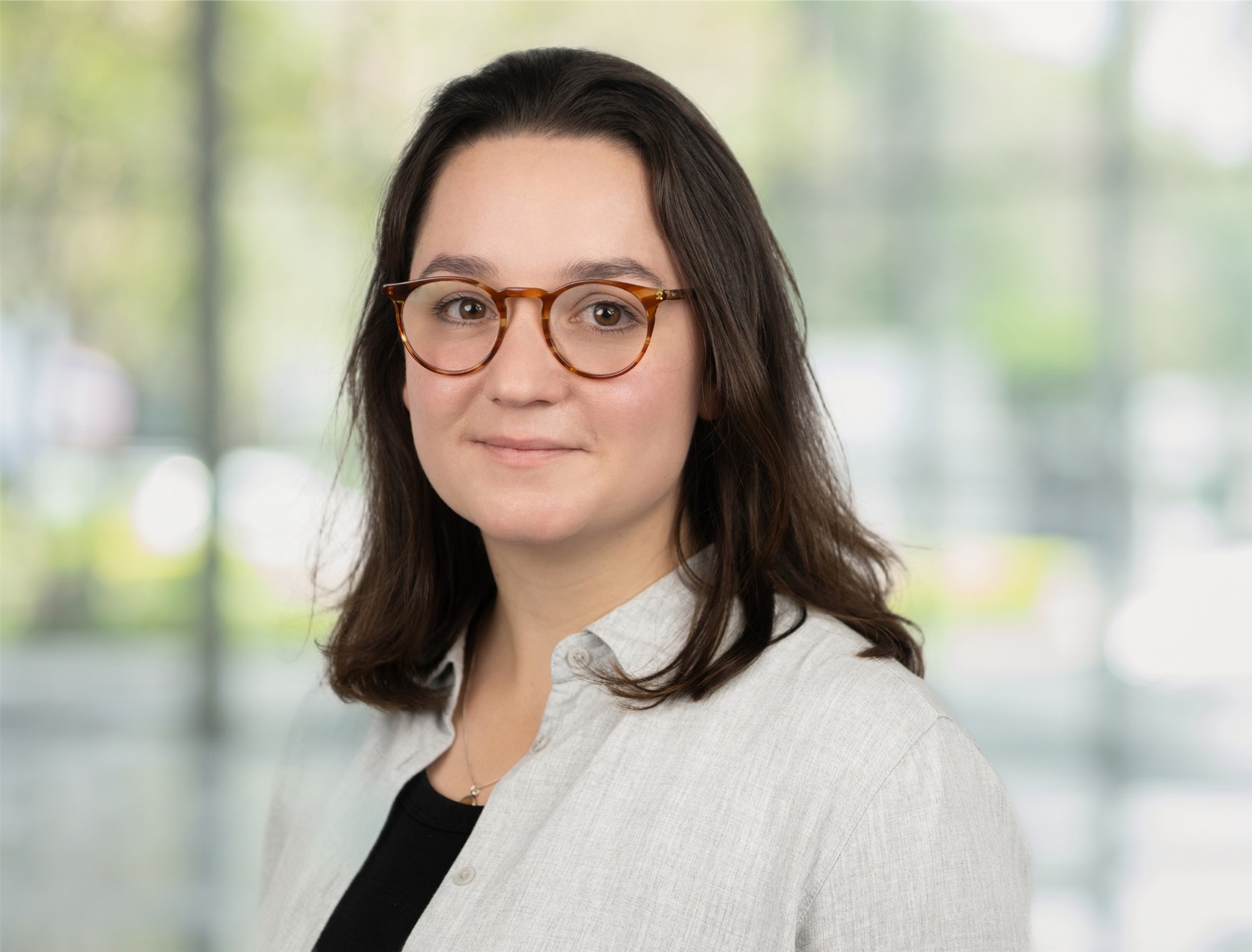
Emma Turkenburg
Emma Turkenburg is Assistant Professor at the Strategic Communication Group of Wageningen University & Research. She is interested in the potential of communication to both advance and obstruct an accessible public sphere, especially against a backdrop of societal division and global challenges such as climate change and food security. Key concepts of her work include reasoning, legitimacy and polarization. Using various methods, like content analysis and experiments, she examines the content, effects, and perceptions of (political) communication.
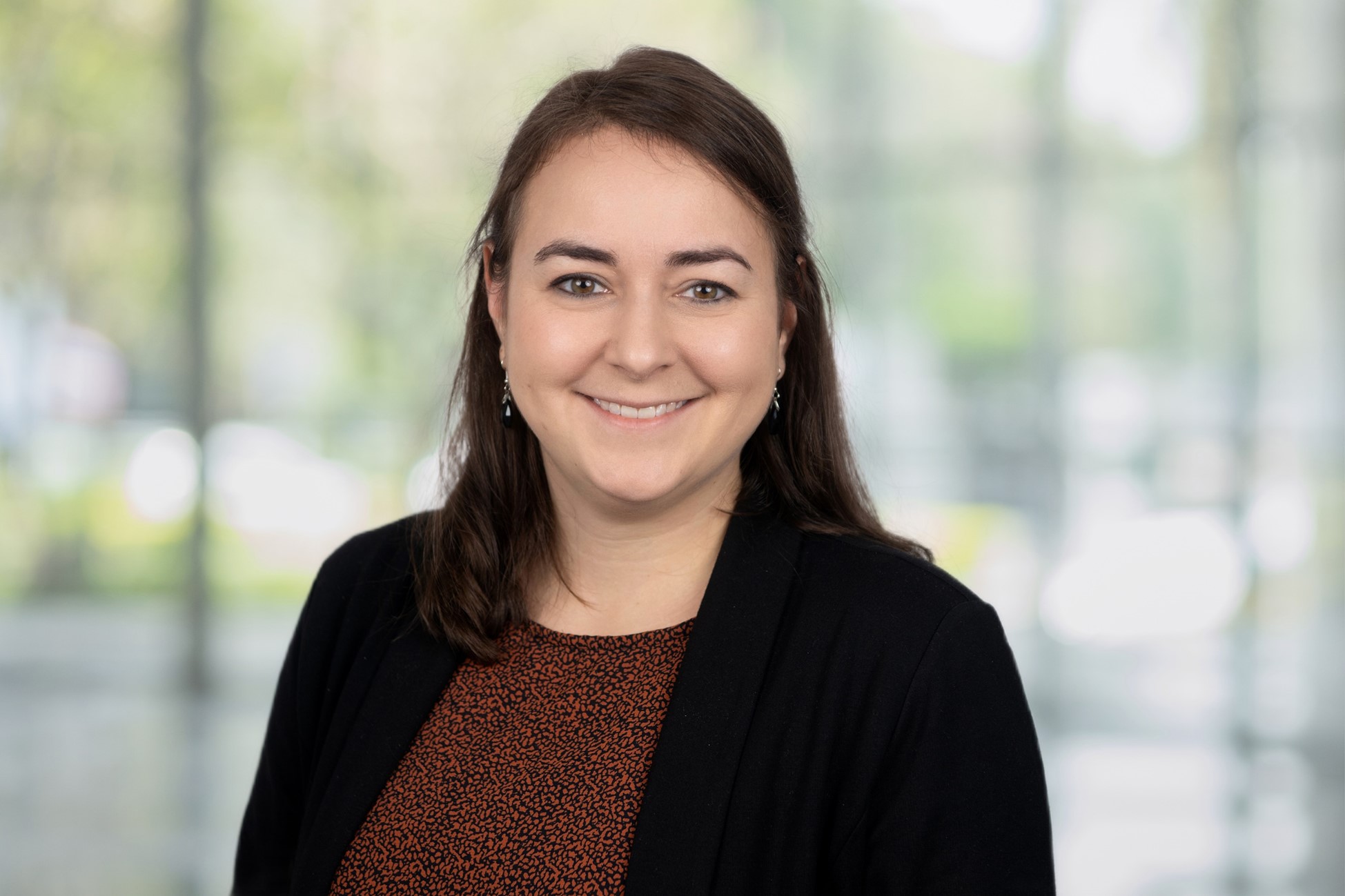
Svenja Schäfer
Svenja Schäfer is an Assistant Professor at the Strategic Communication group at Wageningen University & Research. Previously, she was a PhD candidate at the Johannes Gutenberg University Mainz and a postdoctoral researcher at the University of Vienna. Her research interests focus on the question of the relation between news consumption and the formation of (perceived) knowledge, attitudes and behaviors. In her studies, she looked at effects of news on social media for an illusion of knowledge, relation between user comments and polarized attitudes and motives and potential solutions for news avoidance.
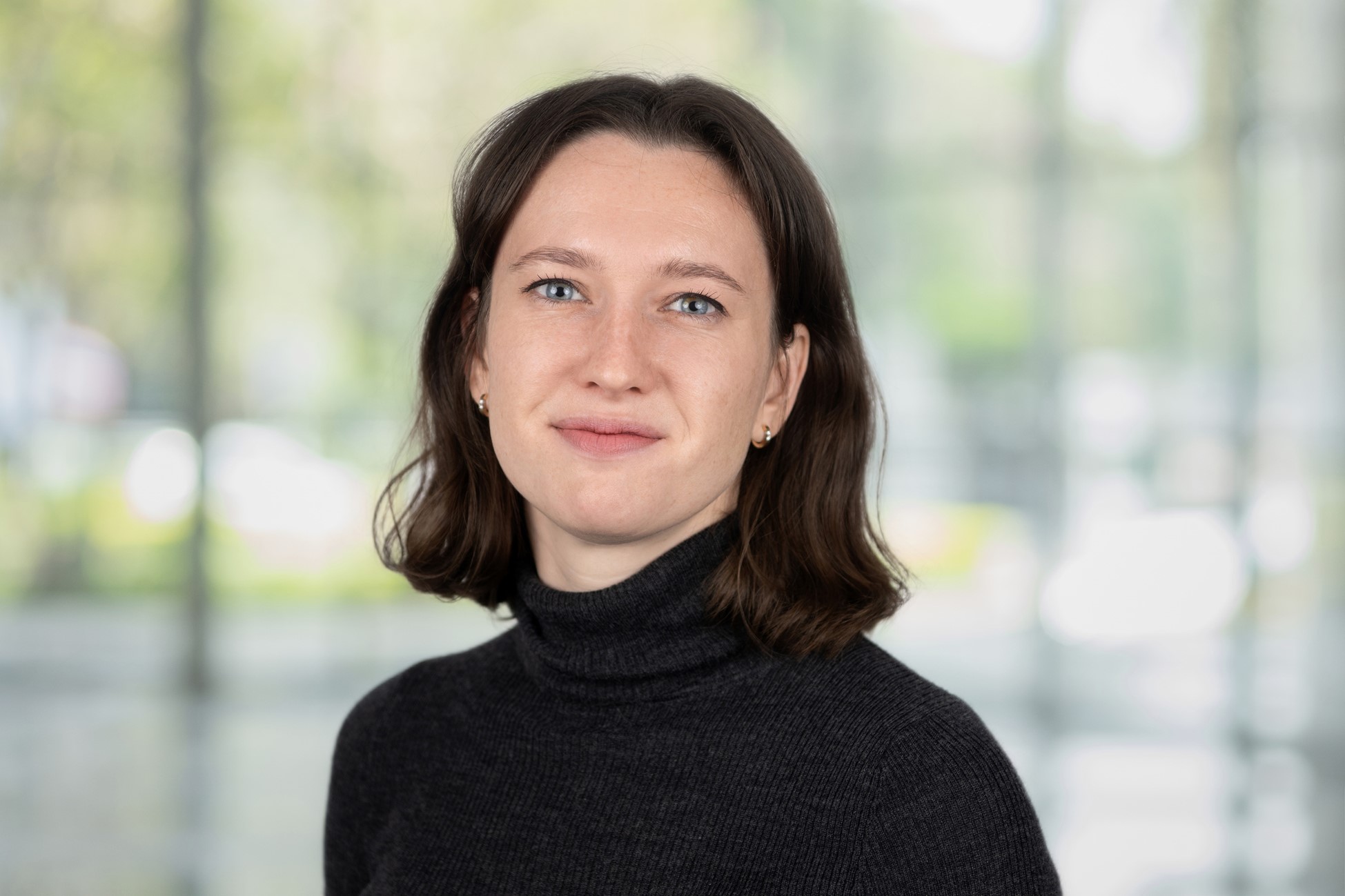
Sanne Tamboer
Sanne Tamboer is Assistant Professor at the Strategic Communication Group at Wageningen University & Research. In 2023, she earned her PhD at Radboud University Nijmegen with a dissertation on early adolescents’ news literacy. Her research focuses on the interplay between youth, media, and civic engagement, with a particular emphasis on media literacy and political participation. She aims to translate academic knowledge into practical insights that help young people navigate the digital society.
Kiki de Bruin
Kiki de Bruin is a PhD student at Journalismlab (Research Group Quality Journalism in Digital Transition) at University of Applied Sciences Utrecht and Wageningen University & Research. She studies news avoidance and the consequences for informed citizenship in a democratic society (2020-2024). As a communication scientist, she focuses on the impact of the digital society on journalism and the public, and vice versa.

Xiaotong Chu
Xiaotong Chu is a PhD candidate working hybridly at the Amsterdam School of Communication Research (ASCoR) of the University of Amsterdam, and at the Strategic Communication Group (COM) at Wageningen University & Research. Her research focuses on the effects of targeting practices in modern electoral campaigns on individual-level responses. She has experience in quantitative research methods, such as (automated) content analysis and experience sampling method.
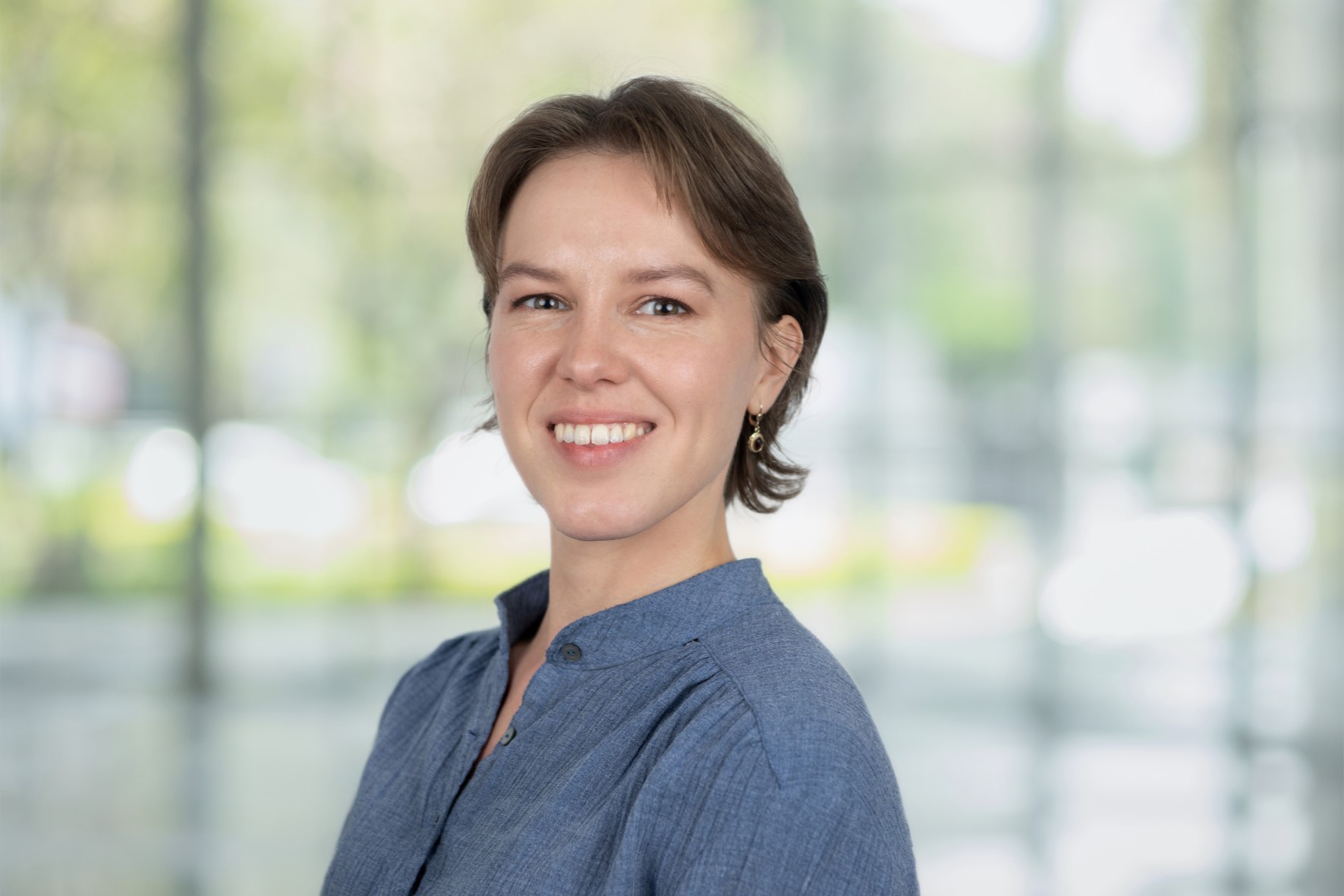
Jade Vrielink
Jade Vrielink is a PhD candidate at the Strategic Communication group at Wageningen University & Research. Her research focusses on the positive and negative impact of online data-driven political campaigning (microtargeting) in a comparative setting using surveys, experiments and experience sampling.
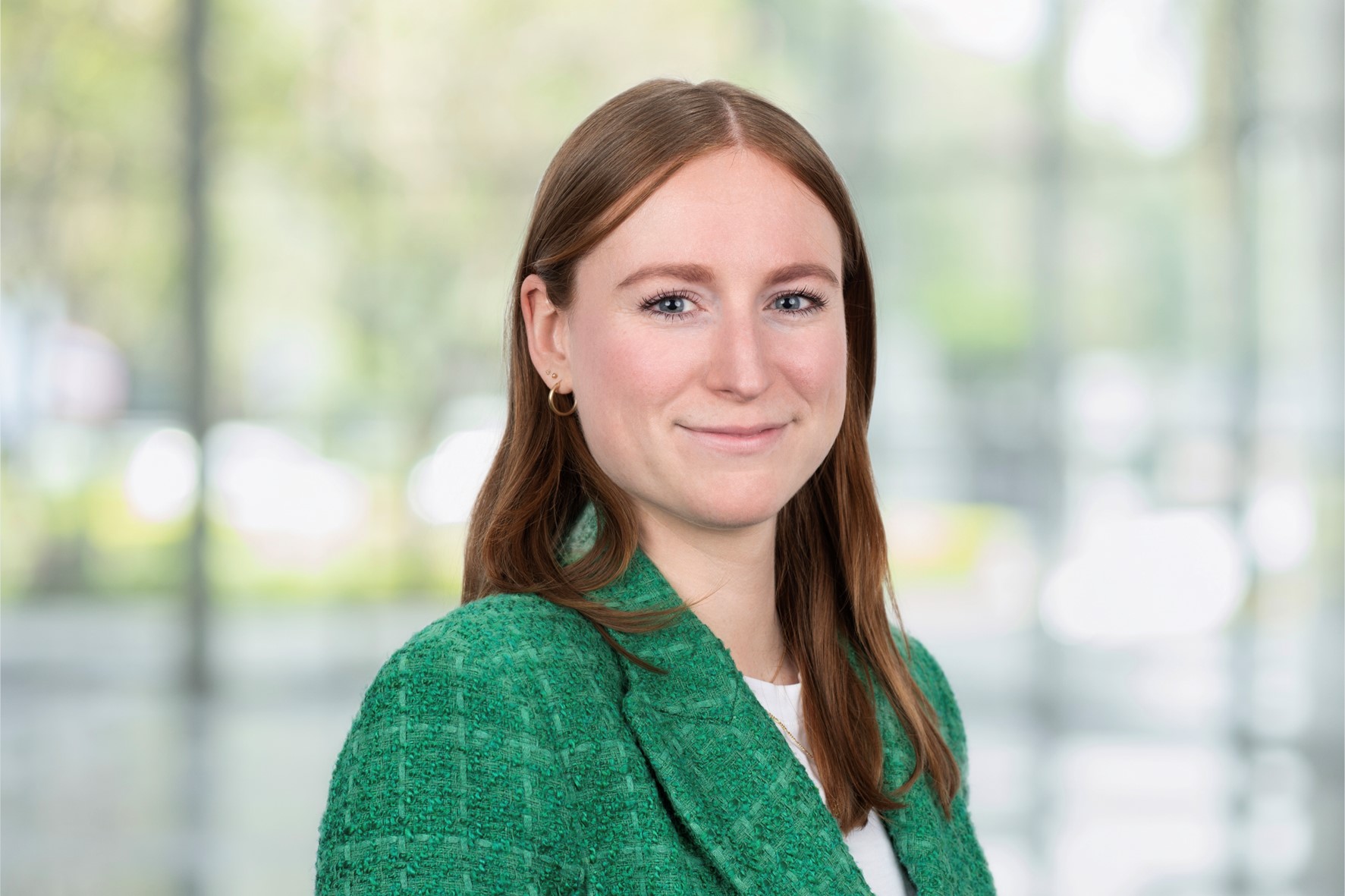
Puck Guldemond
Puck Guldemond is a PhD candidate at the Strategic Communication Group at Wageningen University & Research. She studies the psychological processes that underlie online data-driven political campaigning (Political Microtargeting). She has experience in quantitative research methods such as thought-listing experiments, eye-tracking experiments and computational methods. Her research interests include data‐driven campaigning, political influence and behavior on social media, computational social sciences, and populist rhetoric in political communication.
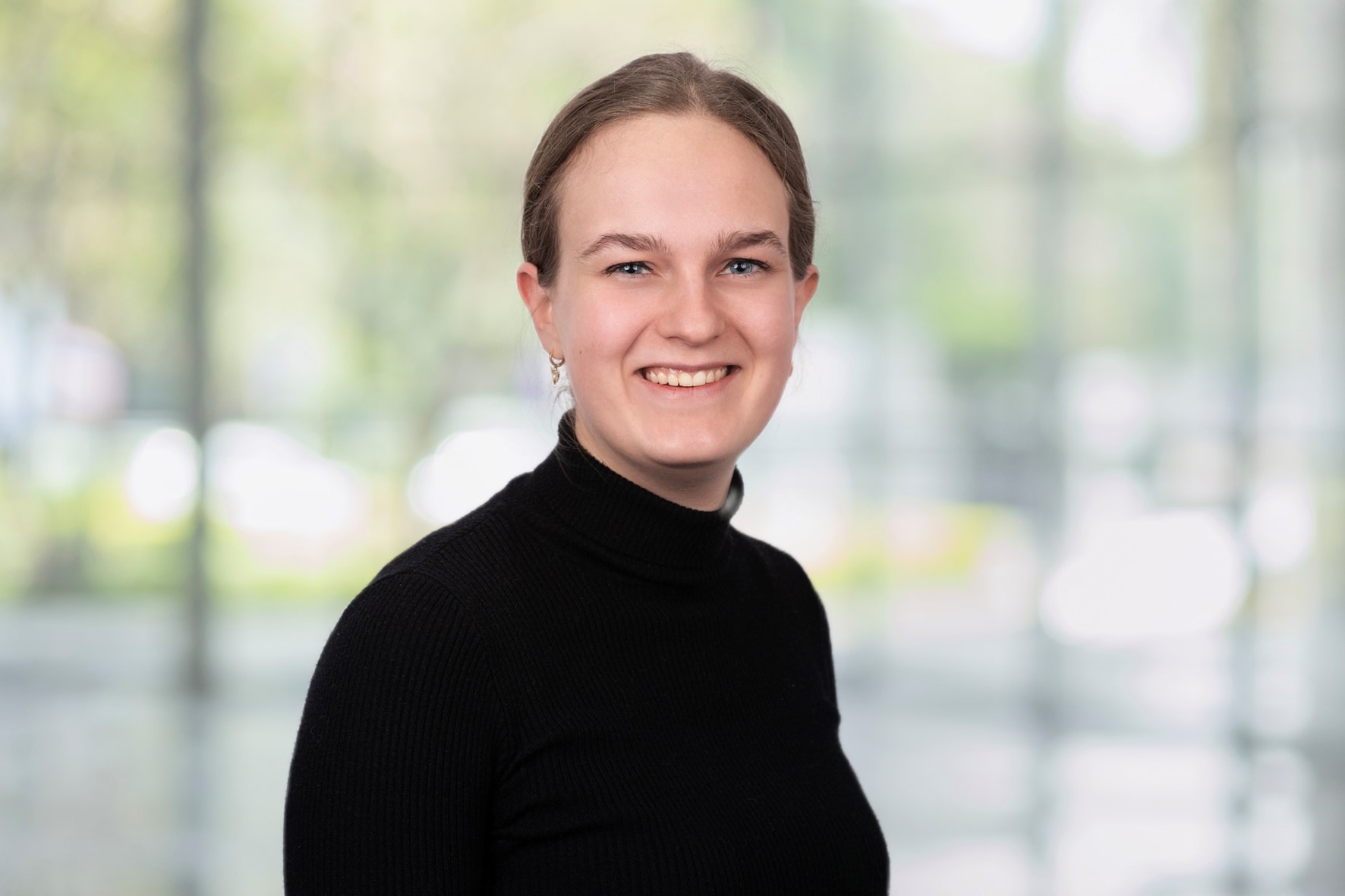
Lotte Schrijver
Lotte Schrijver is a PhD candidate at the Strategic Communication Group at Wageningen University and the Department of Public Administration and Sociology at Erasmus University Rotterdam. She studies the presence of mis- and disinformation in the Dutch public debate during the COVID-19 pandemic, and the effects of misinformation on different vulnerable groups. This research is part of the Pandemic and Disaster Preparedness Center (PDPC), which aims to bring together scientific disciplines to increase society’s resilience against pandemics and disasters.
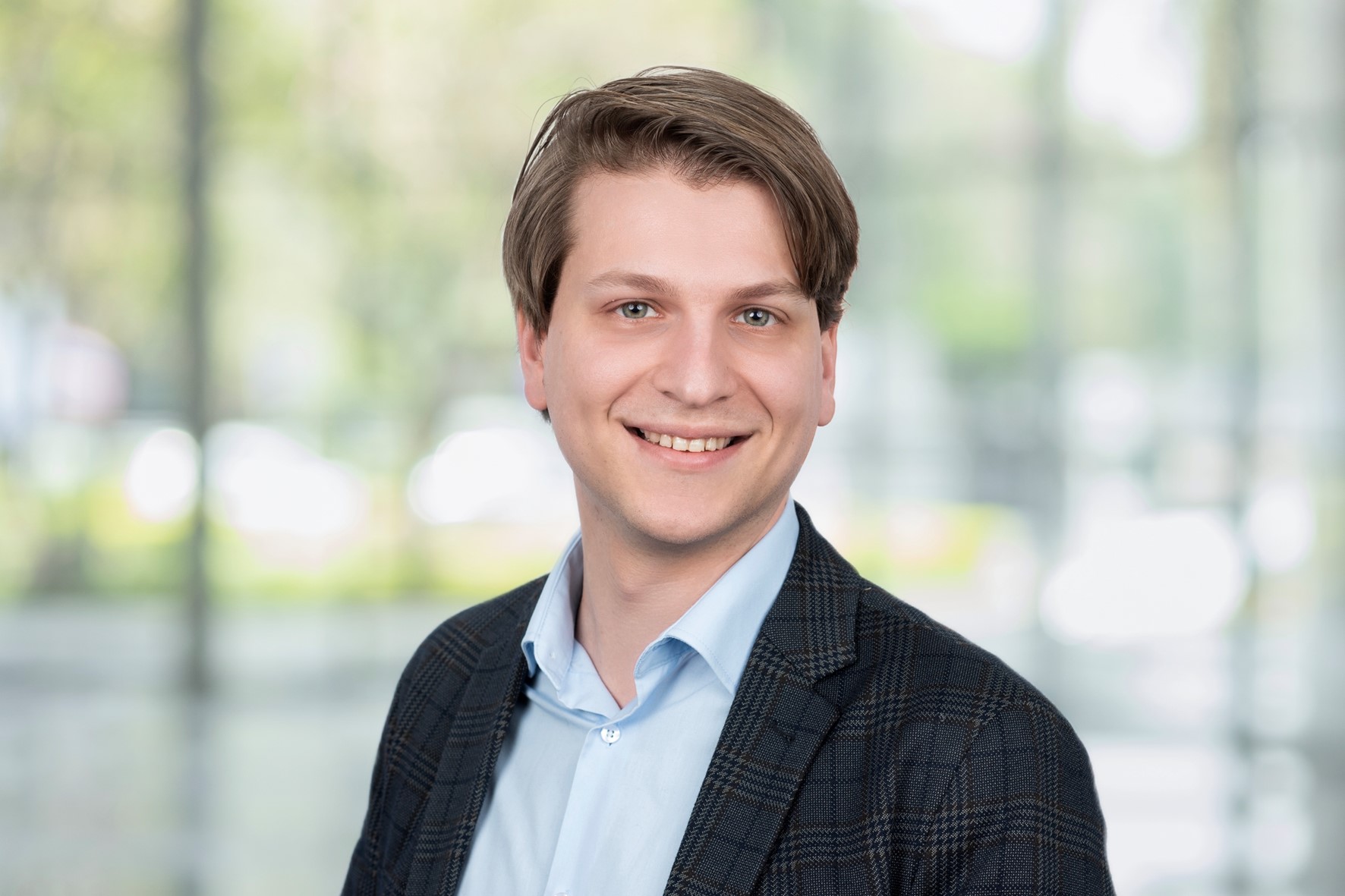
Edwin Jans
Edwin G. M. Jans is a PhD candidate at the Strategic Communication Group at Wageningen University and Research. His project focuses around different forms of (political) polarization in the climate change debate, how to effectively detect polarizing content and the societal and political consequences of a polarized climate change debate. He has a research interest in political campaigns and voting behaviour; ideological opinion change, (populist) campaigning strategies and political sociology.
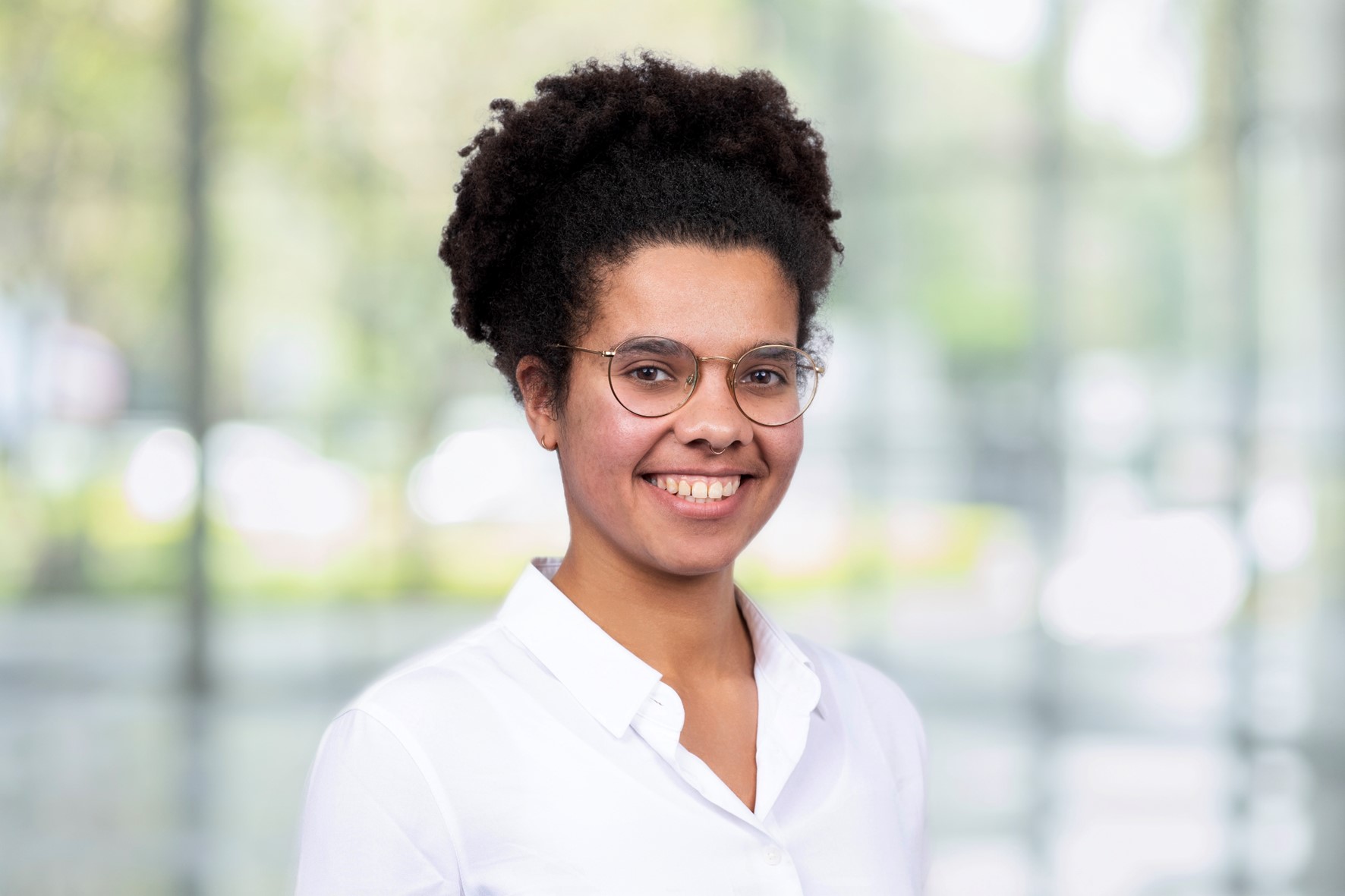
Denise Roth
Denise J. Roth is a PhD candidate at the Strategic Communication Group at Wageningen University & Research. She studies the politicization of science communication. She has experience in working with novel computational methods as well as more traditional quantitative research methods. Her research interests include populism and polarization, political communication in the era of digital media, and interdisciplinary and multi-methodological research approaches.
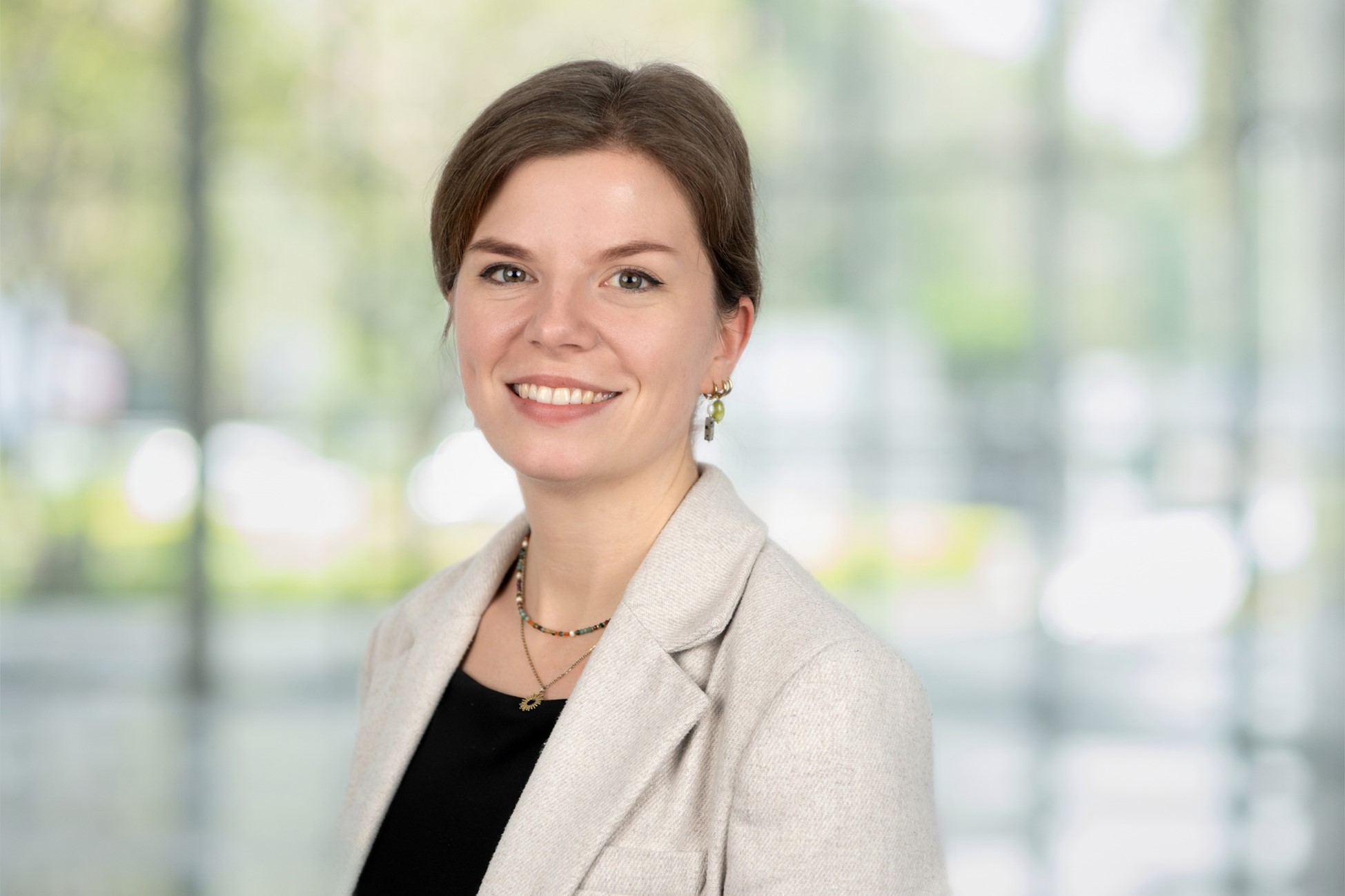
Carmen Dymanus
Carmen Dymanus is a PhD candidate at the Strategic Communication Group at Wageningen University & Research. Her research focusses on improving citizens’ political advertising literacy when it comes to dealing with targeted political messages online. More specifically, the project involves designing interventions to foster political advertising literacy. She has experience in both quantitative and qualitative research methods, such as survey studies, quantitative content analysis and focus groups and living labs.
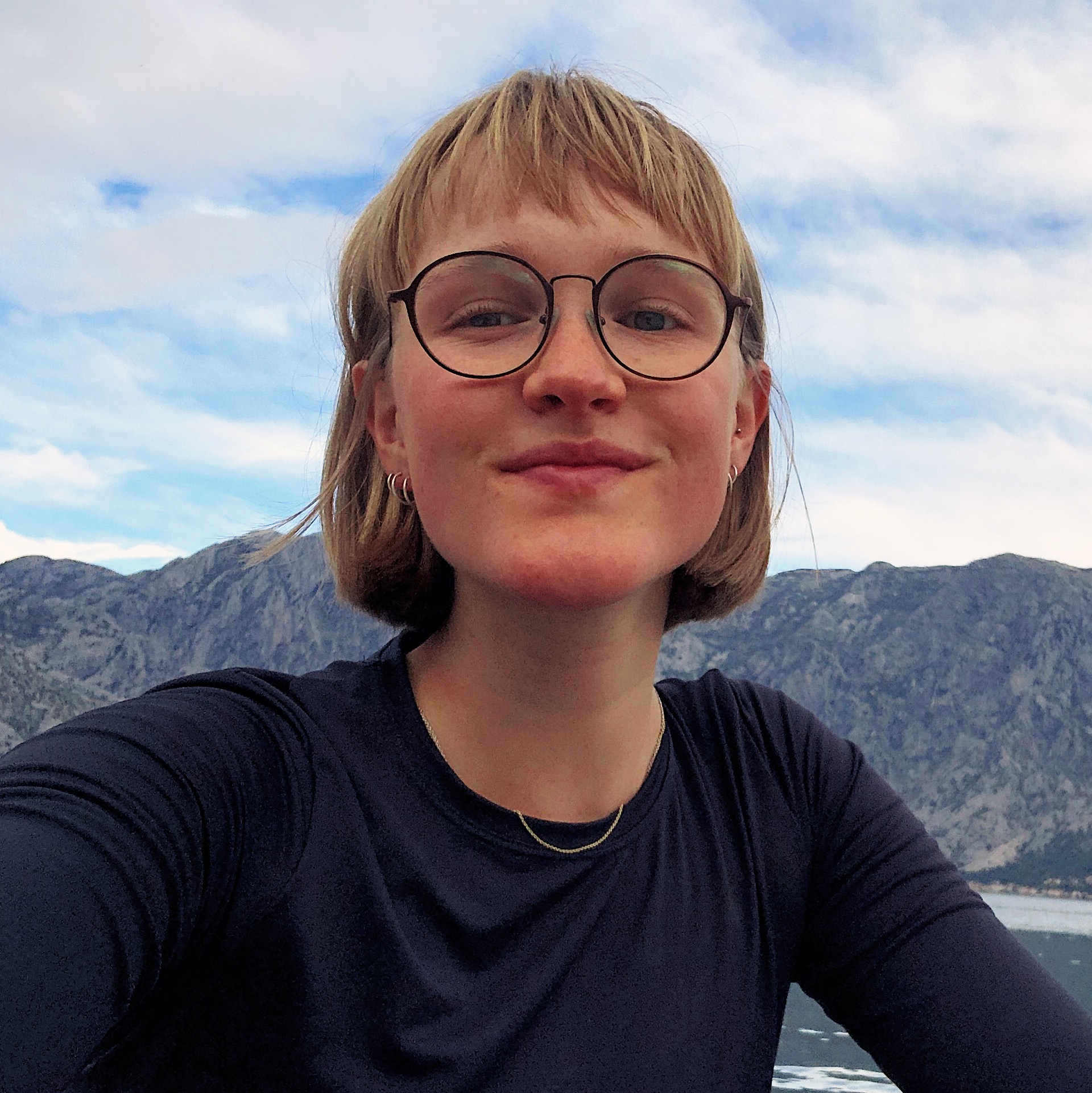
Wies Ruyters
Wies Ruyters is a PhD candidate at the Strategic Communication Group at Wageningen University & Research. She works as part of the VICI project on discontent framing. Her research will concentrate on establishing a thorough understanding of the (development of) framing techniques that politicians and media use to achieve their communicative goals. Having a background in data science, her focus is on quantitative methods to analyze information-dense textual, visual, and mixed datasets.
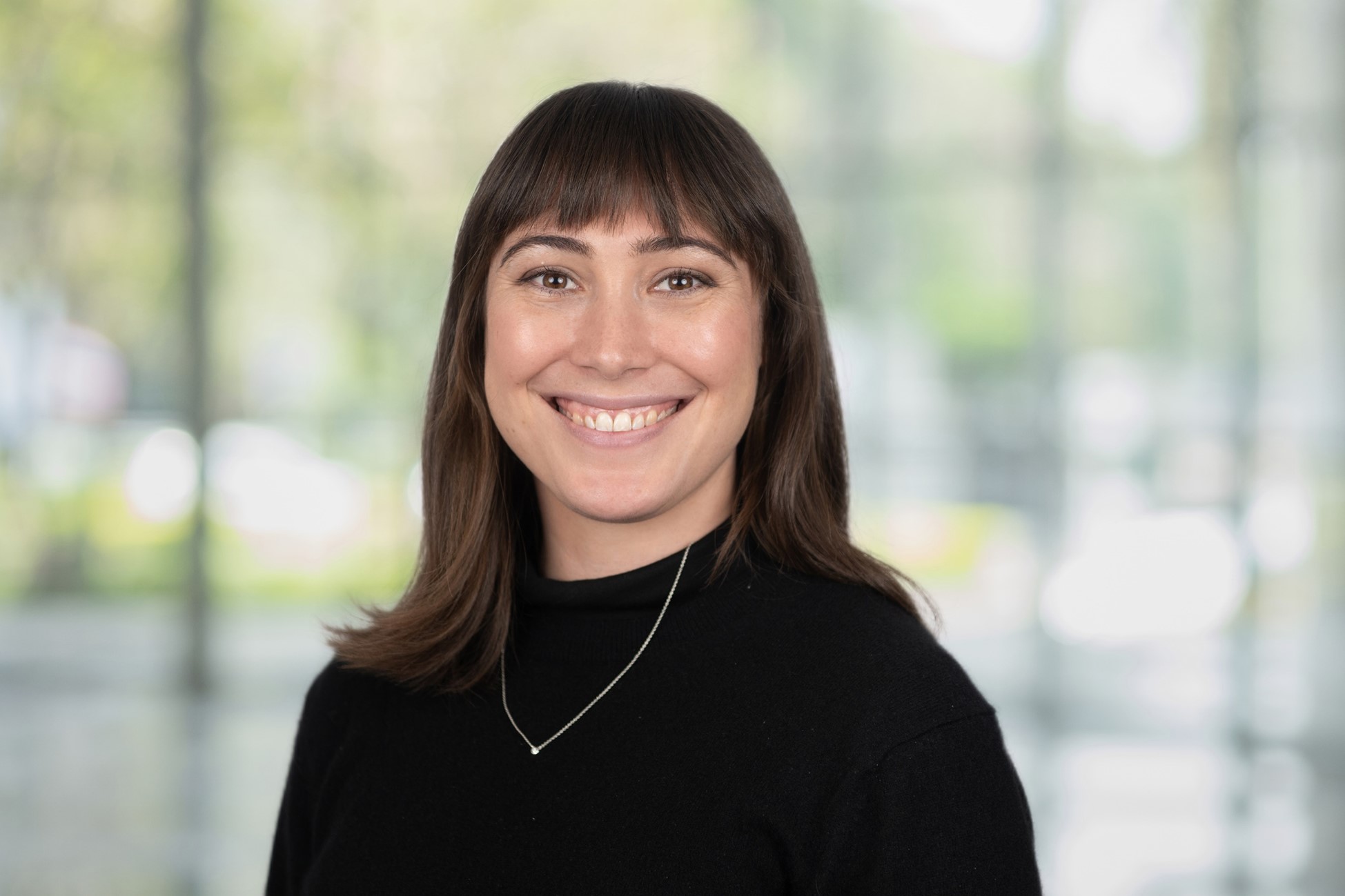
Alice Hamilton
Alice Hamilton is a PhD Candidate at the Strategic Communication Group at Wageningen University & Research. Her research focuses on the consequences of discontent frames such as the (accusations of) disinformation, populist communication styles and incivility in political communication, political trust and polarization. She has experience in both quantitative and qualitative research methods such as experimentation, surveys, interviews and focus groups.
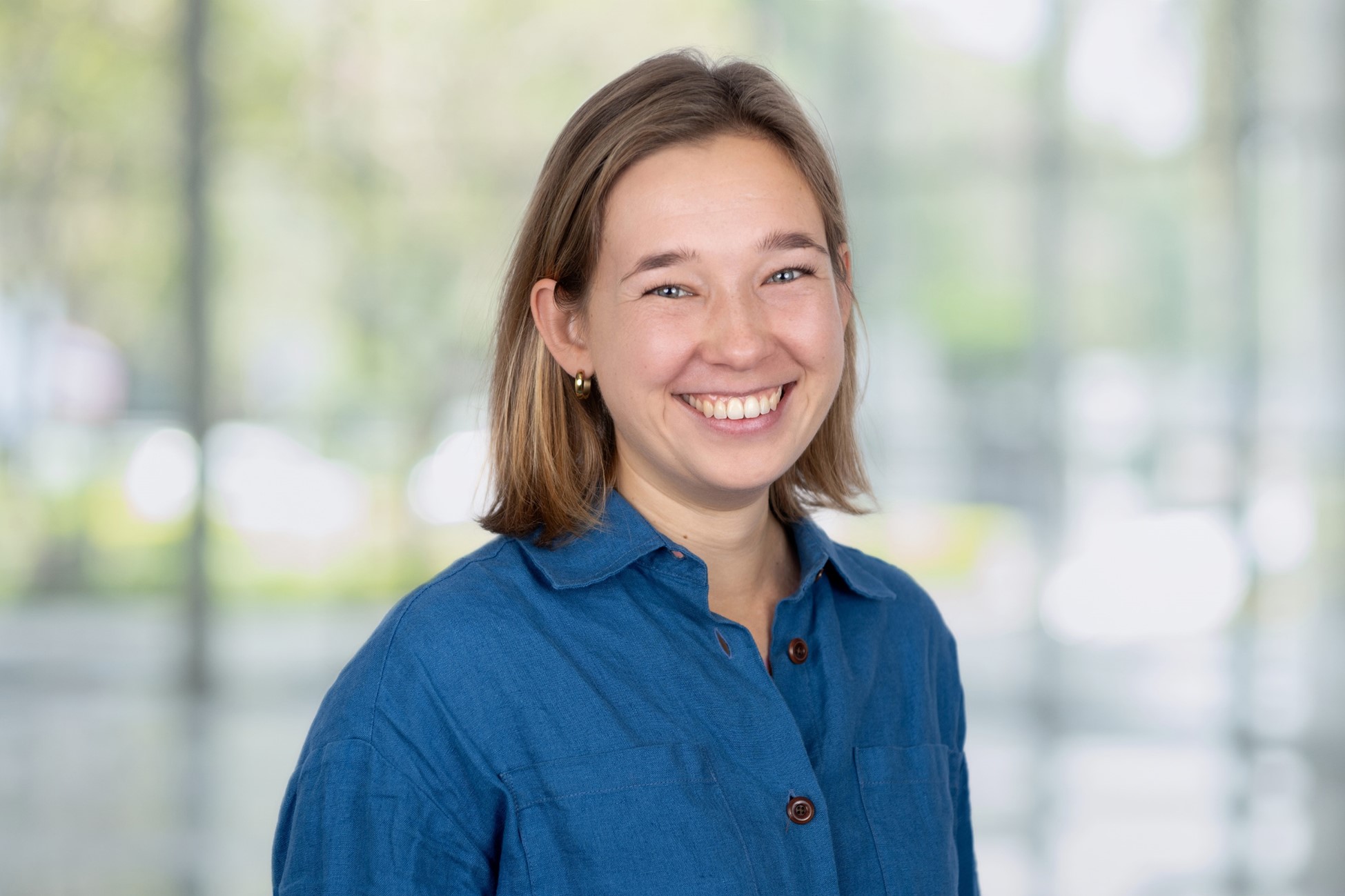
Eline Westbeek
Eline Westbeek is a PhD candidate at the Strategic Communication group at Wageningen University & Research. She investigates whether populist politicians in European countries intentionally mobilise place-based discontent of citizens. For example, they could tap into and instigate perceived regional deprivation and loss of local community. She has experience in working with experiment and survey design, interviewing, and policy analyses. Her research interests include populist communication and its policy effects, European politics, and bridging research disciplines.
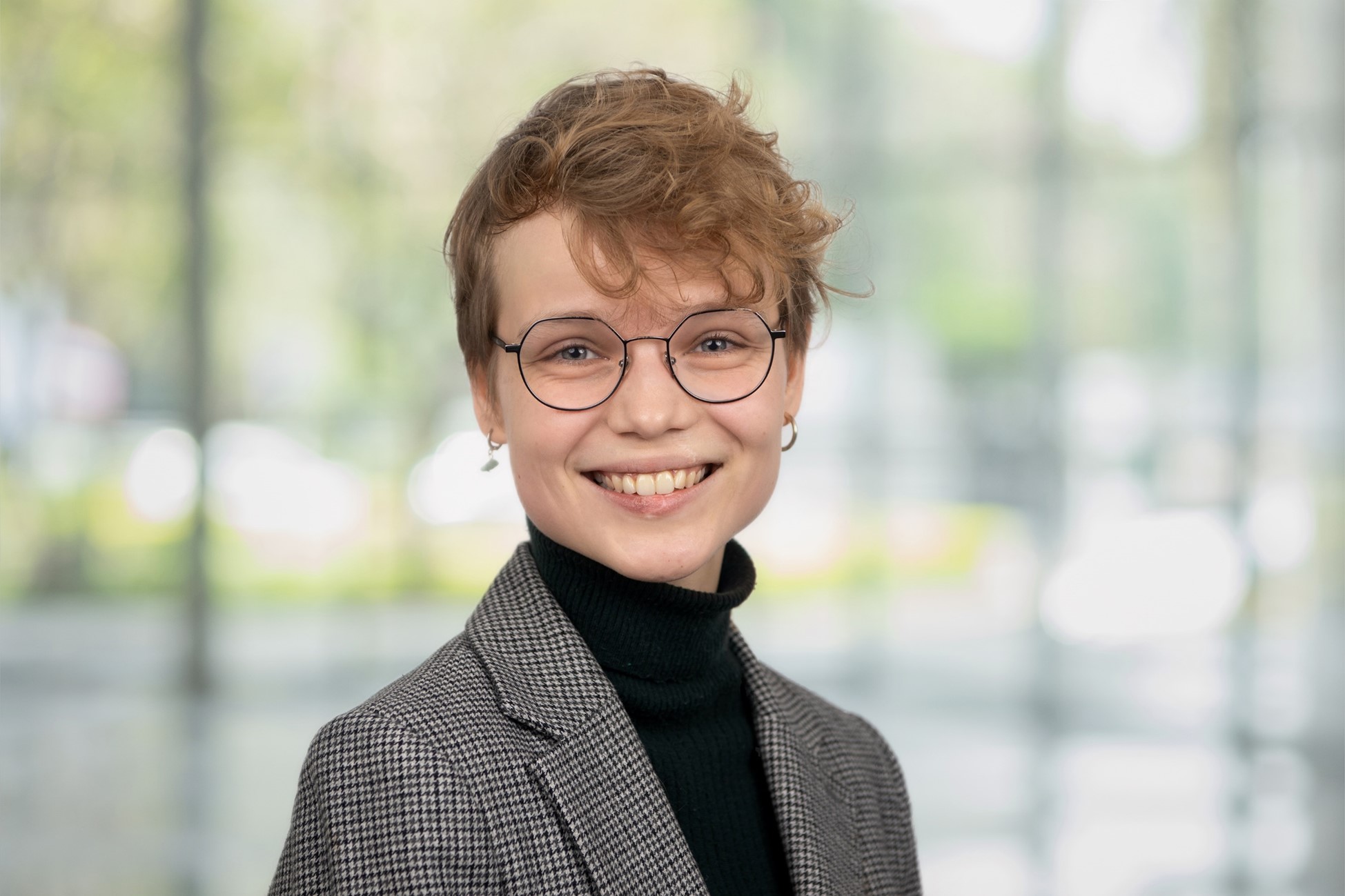
Mariska van Dam
Mariska van Dam is a PhD candidate at the Strategic Communication group. Trained as a philosopher, she investigates the normative implications of populist communication and framing. Her current research interests lie in the fields of democratic theory, normative pragmatics, philosophy of language, theories of legitimacy, and theories of representation. Intending to connect the parallel yet rarely cross-cutting worlds of normative theory and social sciences, her research aims to bring more philosophy into framing studies and more communication science into democratic theory.
Data-Driven Democracy Lab
Strategic Communication Group (COM)
Hollandseweg 1 (Building 201)
6706 KN Wageningen
The Netherlands
 Data-Driven Democracy Lab